Mammography reporting services for hospitals in 2026 need three things a generic teleradiology contract won't guarantee: BI-RADS structured output, a turnaround SLA that separates screening from diagnostic reads, and a radiologist who actually signs off on the call. Get those wrong and screening camps back up, referring physicians get vague impressions, and someone's follow-up biopsy waits an extra week.
- Mammography reporting services for hospitals should guarantee BI-RADS structured output, not free-text impressions — buy on that alone.
- 5C Network runs radiologist sign-off across 2,000+ hospitals with 400+ specialists on the panel in 2026.
- Skip vendors quoting one blended turnaround number instead of separate screening vs diagnostic mammogram SLAs.
- AI-assisted density scoring speeds the first read but a radiologist still has to sign the report.
- Match hospital type to service tier — rural hospitals, nursing homes, and diagnostic chains need different models.
Why this matters
A mammogram report isn't a status update — it's a BI-RADS category (0 through 6) that determines whether a patient gets recalled, biopsied, or told to come back in a year. When a hospital outsources mammography reporting, it's outsourcing a medico-legal document, not just an image read.
Most hospitals evaluating teleradiology vendors in 2026 default to comparing turnaround times and price per scan. Both matter, but neither tells you whether the vendor's panel actually reads breast imaging routinely, or whether the AI layer is flagging density and calcifications before a radiologist ever opens the study.
Who this is for
This is written for radiology department heads and hospital administrators evaluating teleradiology services for multi-specialty hospitals, district and rural hospitals running periodic screening camps, nursing homes that see occasional mammography referrals without an in-house radiologist, and diagnostic centre chains trying to standardize reporting across branches. If your hospital reports fewer than a handful of mammograms a week, the calculus is different from a chain running hundreds a day — the picks below split by exactly that.
What to look for in mammography reporting services for hospitals
BI-RADS structured reporting, not free text
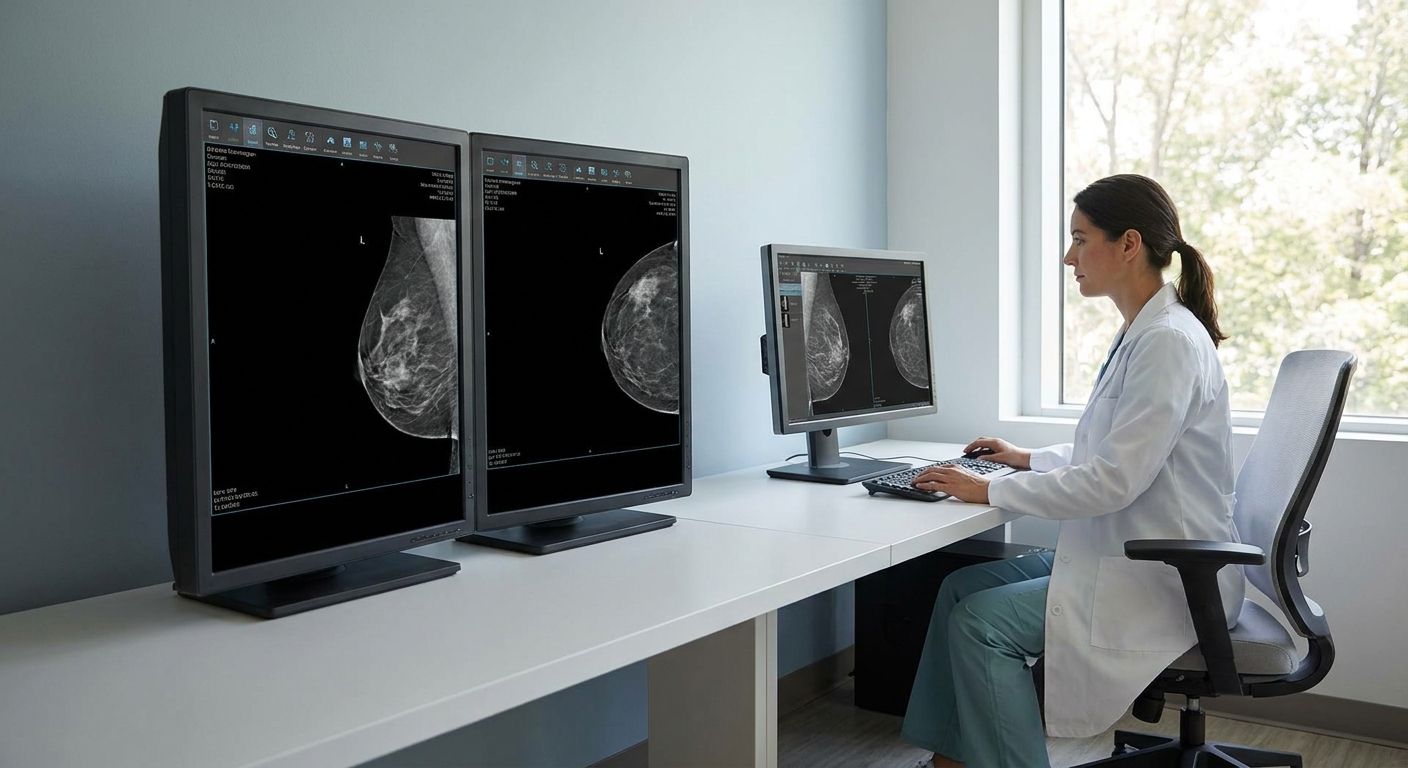
A mammogram report that doesn't land on a clear BI-RADS category forces the referring physician to guess at urgency. Structured reporting standardizes the impression into a category number every clinician recognizes, and it's the single fastest way to spot a vendor that's cutting corners.
Screening vs. diagnostic turnaround, quoted separately
Screening mammograms arrive in batches — annual check-ups, camps, awareness drives. Diagnostic mammograms follow a palpable lump or an abnormal screen and need same-day attention. A vendor that quotes one blended turnaround number for both is hiding which category actually gets prioritized.
Radiologists who read breast imaging routinely
Any radiologist can technically read a mammogram, but density scoring and architectural distortion calls sharpen with repetition. Ask how many radiologists on the panel report mammography regularly, not just how large the overall panel is.
AI-assisted density and lesion flagging as a first pass
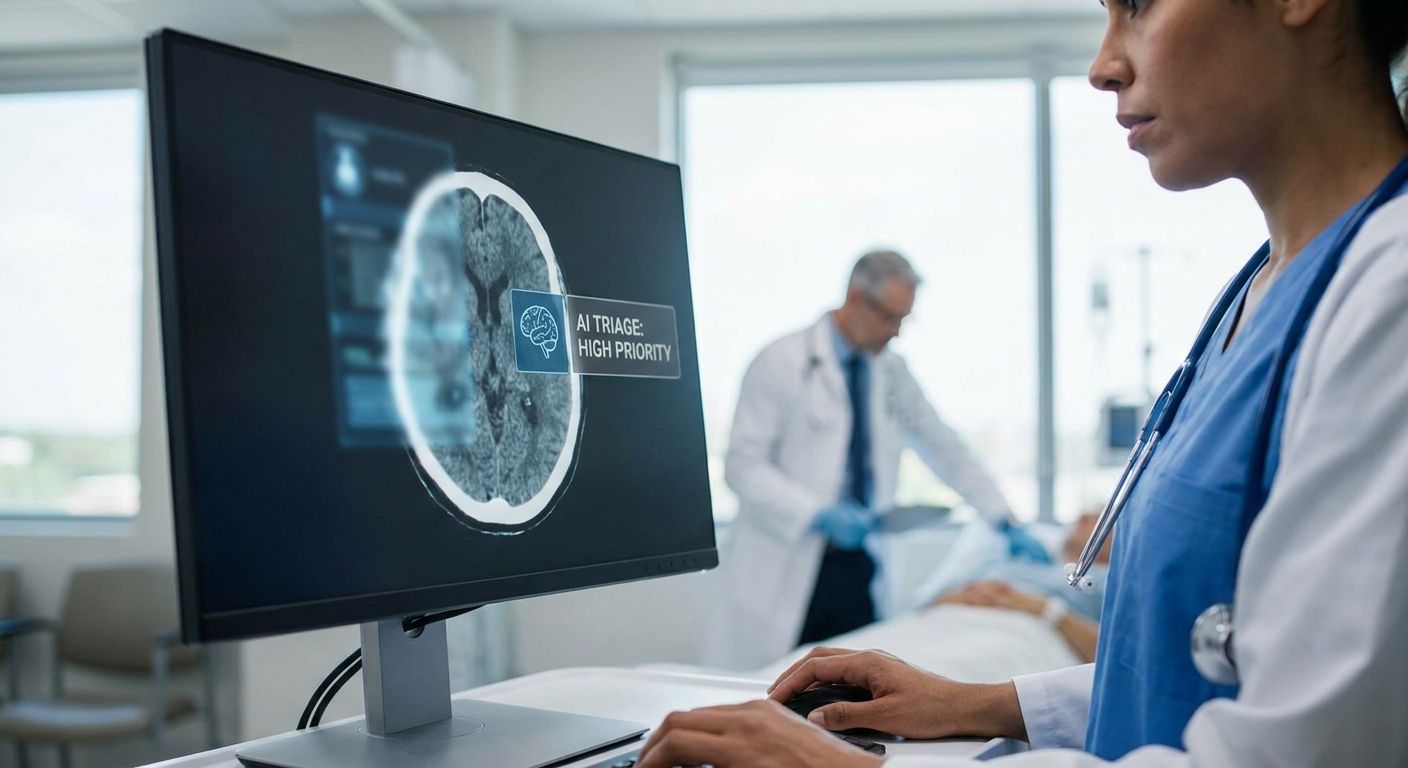
AI models trained on mammography can flag microcalcifications and assign a density category (A through D) before a radiologist opens the study, cutting search time on high-volume days. The output still has to carry a named radiologist's sign-off — an algorithm's flag is not a diagnosis.
PACS/RIS integration that pulls every view automatically
Mammography studies include multiple views per breast (CC, MLO) plus prior-year comparisons. If the reporting platform doesn't pull all views and priors automatically, radiologists lose time reconciling images manually instead of reading them.
Surge capacity for screening camps
Hospitals running screening camps or awareness-month drives see mammogram batches land together instead of trickling in one at a time. The reporting service needs enough radiologist bench strength to absorb that without turnaround slipping for everyone else on the network.
Compare mammography reporting options
See how 5C Network structures reporting across hospital types.
Top picks by hospital type
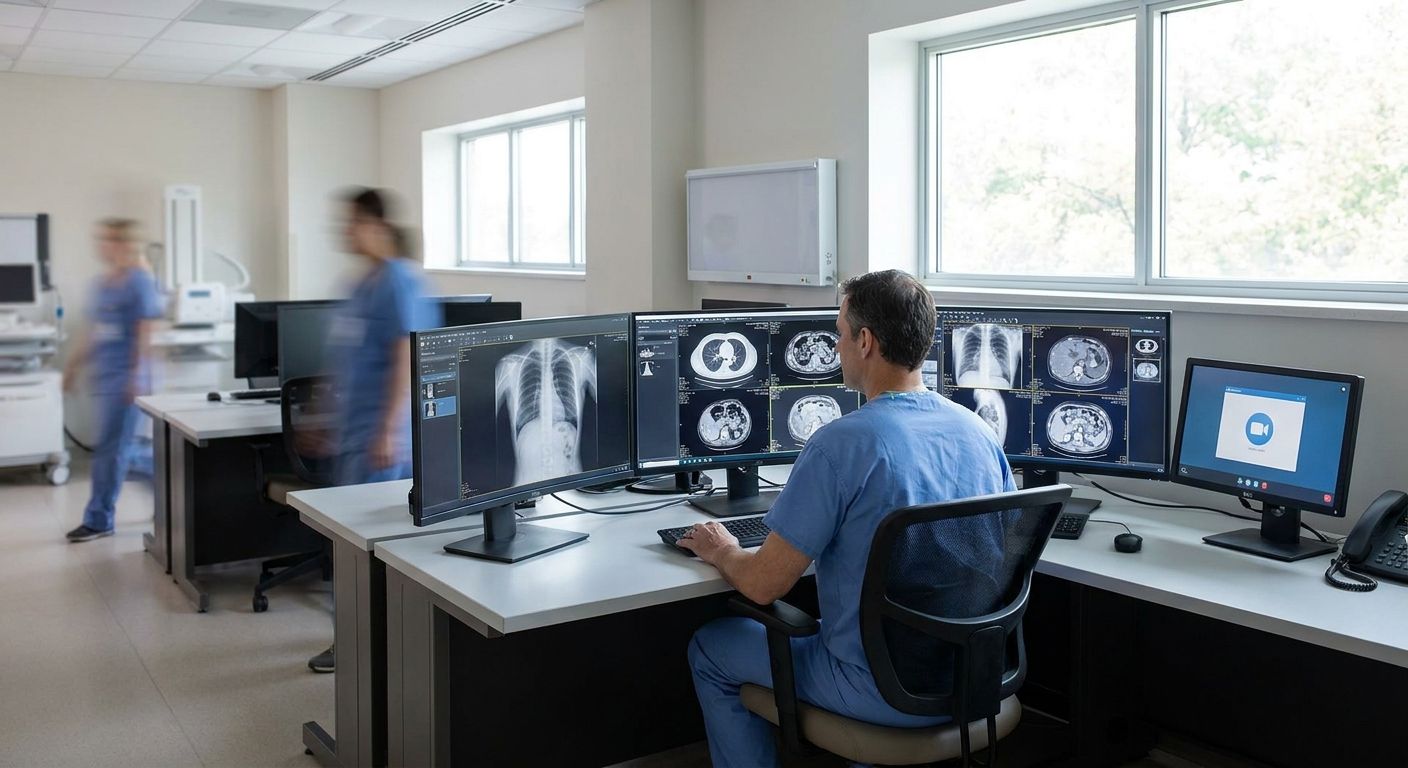
Multi-specialty hospitals — the default pick. Teleradiology services for multi-specialty hospitals cover mammography alongside X-ray, CT, MRI, and PET-CT under one contract, which matters when a single patient's workup spans multiple modalities in one visit. The relevant number here: 2,000+ hospitals already run reporting through this model in 2026, which means the workflow integration questions have mostly already been solved. Buy.
Rural and district hospitals — the coverage pick. Teleradiology services for rural hospitals exist because most district hospitals don't have a radiologist on staff, let alone one who reads mammograms regularly. The target turnaround window sits around 30 minutes for routine studies, which is what makes remote reporting viable for a screening camp instead of stacking films for a visiting radiologist once a month. Buy.
Nursing homes — the low-volume pick. Teleradiology services for nursing homes fit a facility that sees occasional mammography referrals rather than daily volume. A retainer model doesn't make sense here; a per-scan arrangement does, since a nursing home paying for a radiologist retainer it barely uses is paying for idle capacity. Consider.
Diagnostic centre chains — the volume pick. Teleradiology services for diagnostic centre chains standardize BI-RADS categorization across every branch, which matters when different locations are otherwise using different radiologists with different reporting habits. Network capacity of 15,000+ scans a day means a multi-branch chain's peak volume gets absorbed without a separate queue per location. Buy.
Tertiary hospitals with an in-house radiology team — the overflow pick. Keep in-house radiologists for complex biopsy-guided work and route routine screening mammograms out during camp season or staff shortages. This works as a supplement, not a replacement, and the arrangement only pays off if the overflow vendor's turnaround actually beats the backlog it's meant to clear. Consider.
What to avoid
- A single turnaround number for every modality. Mammography screening batches and diagnostic reads need separate SLAs — a vendor that won't quote them separately is hiding which one gets deprioritized.
- AI-only drafts without a named sign-off. BI-RADS categorization is a medico-legal document. If the report doesn't carry an identifiable radiologist's sign-off, it isn't a finished report.
- Per-scan pricing that skips double-reading on screening mammograms. Density scoring accuracy depends on a second look at borderline categories — a price that's suspiciously low for screening volume usually means that step got cut.
Verdict comparison
| Hospital type | Recommended fit | Priority criterion | Verdict |
|---|---|---|---|
| Multi-specialty hospital | Multi-specialty hospital reporting | Full-modality coverage under one contract | Buy |
| Rural/district hospital | Rural hospital reporting | Turnaround without an in-house radiologist | Buy |
| Nursing home | Nursing home reporting | Per-scan flexibility for low volume | Consider |
| Diagnostic centre chain | Diagnostic centre chain reporting | Standardized BI-RADS across branches | Buy |
| Tertiary hospital with in-house team | Overflow arrangement | Turnaround that beats existing backlog | Consider |
FAQ
What's the best mammography reporting service for hospitals in 2026?
The best fit depends on hospital type: multi-specialty hospitals need full-modality coverage, rural hospitals need coverage without an in-house radiologist, and diagnostic centre chains need standardized BI-RADS reporting across branches. 5C Network structures separate service models for each, backed by a 400+ radiologist panel in 2026.
Is AI-assisted mammography reporting accurate enough to replace radiologists?
No — AI flags density categories and microcalcifications as a first pass, but the final report still requires a named radiologist's sign-off. Treat AI output as triage, not a diagnosis.
How much does teleradiology mammography reporting cost for a hospital?
Cost depends on volume and contract structure — per-scan pricing suits low-volume facilities like nursing homes, while retainer or bulk models suit multi-specialty hospitals and diagnostic chains. Get a quote based on actual monthly mammogram volume rather than a published rate card.
How fast should a mammography report turnaround be?
Routine screening studies should target roughly 30 minutes once submitted, while diagnostic mammograms following an abnormal finding need same-day priority. Ask any vendor to quote these two categories separately, not as one blended number.
Do rural hospitals need an in-house radiologist for mammography?
No — teleradiology services for rural hospitals exist specifically because most district facilities don't staff a radiologist full-time. Remote reporting lets a rural hospital run a screening camp without stacking films for a monthly visiting specialist.
What's the difference between screening and diagnostic mammogram reporting?
Screening mammograms are routine checks that arrive in batches and can tolerate a standard turnaround window. Diagnostic mammograms follow a specific finding — a lump, pain, an abnormal prior screen — and need same-day or near-same-day reporting priority.
Can diagnostic centre chains use one reporting service across all branches?
Yes — centralized reporting standardizes BI-RADS categorization across every branch instead of leaving it to each location's own radiologist habits. This is the main advantage teleradiology services for diagnostic centre chains offer over per-branch contracts.
Is BI-RADS reporting mandatory for hospitals in India?
BI-RADS is the internationally recognized structured reporting standard for mammography and is widely adopted by Indian hospitals and diagnostic centres for its clarity and medico-legal defensibility. Any reporting service quoting free-text mammography impressions instead of BI-RADS categories should be treated as a red flag.
One last thing
Check one detail before signing any mammography reporting contract for 2026: does the report carry a named radiologist's sign-off, or just an algorithm's flag? 5C Network's panel of 400+ radiologists signs off on every read across a daily volume of 15,000+ scans — the AI drafts the first pass, a specialist closes the loop. That's the line between a reporting service and a reporting shortcut.