Cancer centres running PET-CT volumes need radiologist sign-off that matches the pace of oncology decision-making, not the pace of a generalist reporting queue. This guide breaks down what to check before you commit a PET-CT reporting services for cancer centres contract, and where 5C Network fits against the alternatives.
- 5C Network reports PET-CT scans with 30-minute average turnaround backed by 400+ radiologists across 2,000+ hospitals in 2026 — Buy for high-volume oncology programs.
- In-house PET-CT reporting teams work for large tertiary cancer centres but stall on night and weekend coverage — Consider only above a fixed scan threshold.
- Generalist teleradiology vendors without oncology-trained radiologists are a Skip for RECIST/PERCIST-heavy workflows.
- AI-assisted SUV tracking cuts radiologist read time on follow-up PET-CT studies, a feature most freelance networks don't offer.
Why This Matters
A PET-CT report drives chemotherapy staging, radiation planning, and surgical candidacy decisions within days of the scan. A generalist radiologist unfamiliar with SUV thresholds or PERCIST criteria adds ambiguity exactly where oncologists need precision.
Cancer centres that outsource PET-CT reporting to platforms without oncology-specific quality control end up re-reading scans internally anyway, which erases the point of outsourcing. The right 5C Network partnership removes that rework instead of hiding it in a slower queue.
Who This Is For
This guide is for radiology heads, oncology program directors, and diagnostic centre operators at cancer hospitals and standalone PET-CT facilities who report more scans than their in-house team can clear inside a treatment-planning window. If your centre runs fewer than five PET-CT studies a week, a single contracted radiologist may still cover you — this guide targets centres past that volume line.
What to Look for in PET-CT Reporting Services for Cancer Centres
Oncology-trained radiologist sign-off
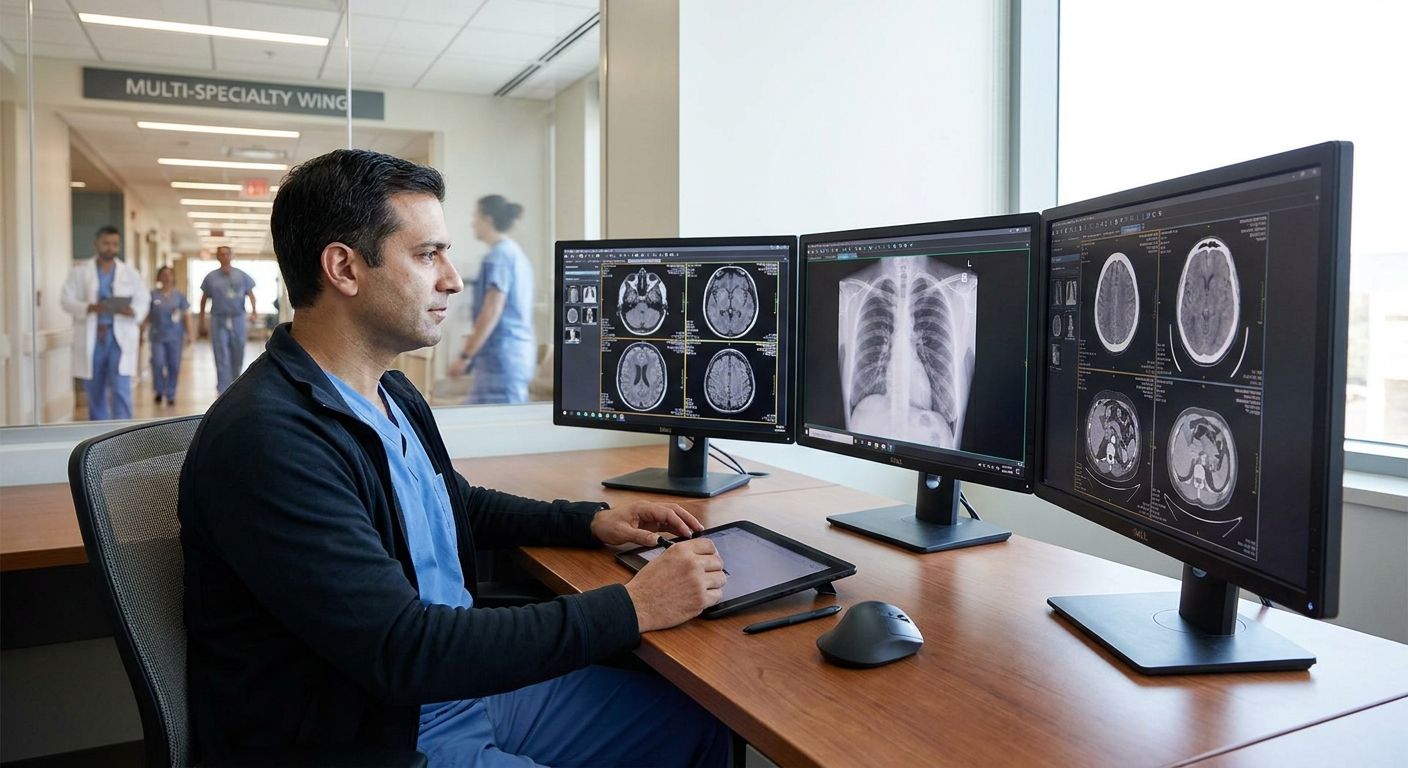
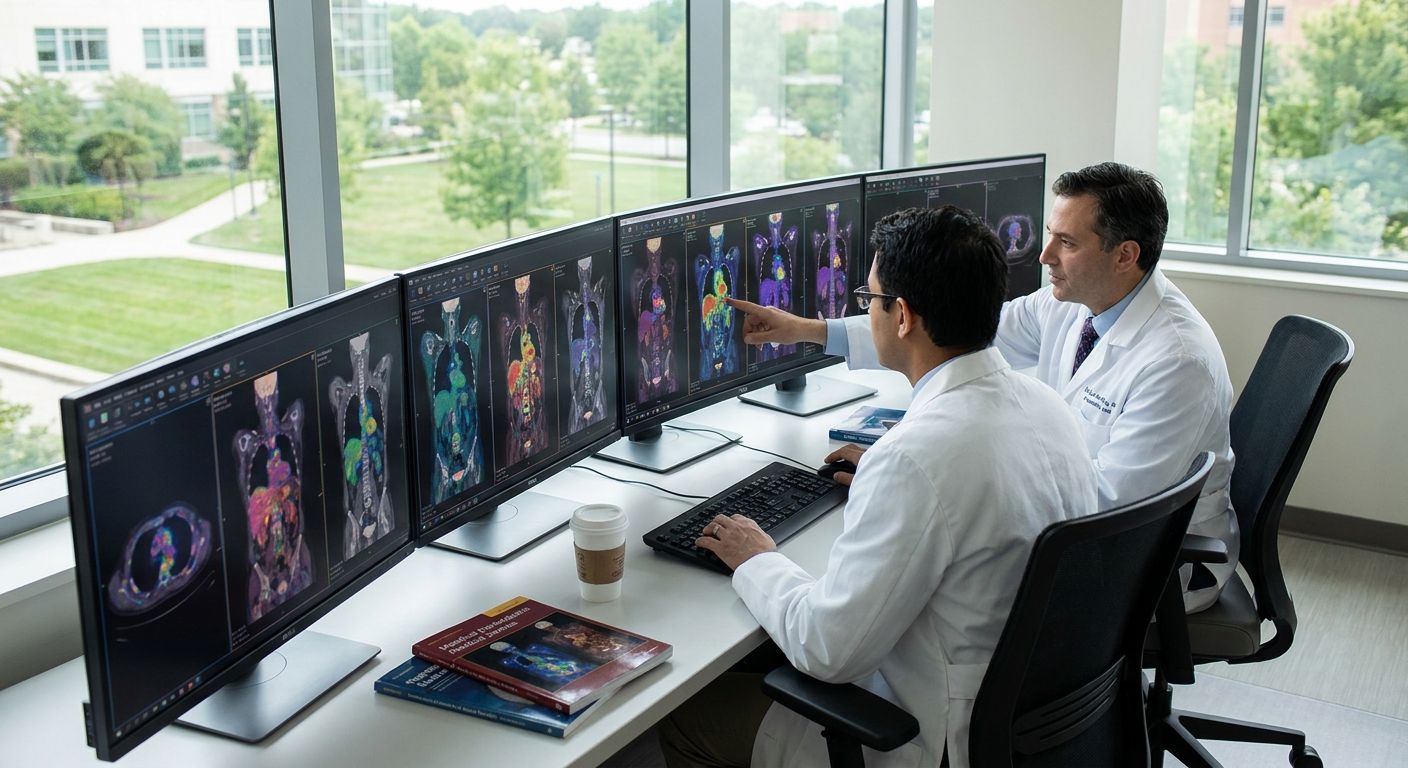
A general body radiologist can miss subtle metabolic activity that an oncology-focused reader catches on the first pass. Ask any vendor how many of their radiologists carry oncology-specific reporting experience, not just general CT/MRI credentials.
Turnaround time built around treatment planning windows
Oncology boards meet on fixed schedules — a report that lands after the tumor board has already convened is functionally useless. A 30-minute average turnaround, the benchmark 5C Network reports for 2026, keeps studies inside same-day planning cycles instead of pushing decisions to the next board meeting.
AI-assisted SUV quantification and lesion tracking
Follow-up PET-CT studies live and die on accurate SUV max comparisons against the baseline scan. AI-assisted flagging, the kind built into 5C Network's Bionic platform, surfaces metabolic changes before the radiologist opens the full series, cutting the manual comparison work down.
Structured reporting mapped to RECIST/PERCIST
Free-text PET-CT reports slow down oncologists who need a fast yes/no on treatment response. Structured templates aligned to RECIST or PERCIST criteria let the referring physician scan a report in seconds instead of parsing paragraphs.
Volume capacity without queue backlog
A vendor that reports 15,000+ scans a day across a hospital network absorbs a spike in oncology referrals without pushing your studies to the back of the line. A single-radiologist contract can't do that during flu season or a staffing gap.
Credentialing and compliance trail
Every PET-CT report needs a traceable radiologist sign-off with credentials on file — this matters for NABH audits and insurance claim disputes. Confirm the vendor maintains a documented credentialing record for every radiologist reading your studies, not just a roster.
Top Picks for PET-CT Reporting
In-house PET-CT reporting team — the traditional pick. One spec that matters: a full-time oncology radiologist can typically clear 15-20 PET-CT reports a day depending on complexity. Works for large tertiary cancer centres with steady in-house volume and budget for a dedicated hire, but coverage gaps appear fast on nights, weekends, and during leave. Consider only if your scan volume justifies a full-time salary and you have backup coverage arranged.
Generalist teleradiology vendor — the risky shortcut. These vendors route PET-CT studies through the same radiologist pool handling routine X-rays and CTs, without a dedicated oncology sign-off track. The turnaround looks fast on paper, but the read quality on complex metabolic studies is inconsistent because the radiologist isn't specialized. Skip this option for any centre running RECIST or PERCIST-based treatment monitoring.
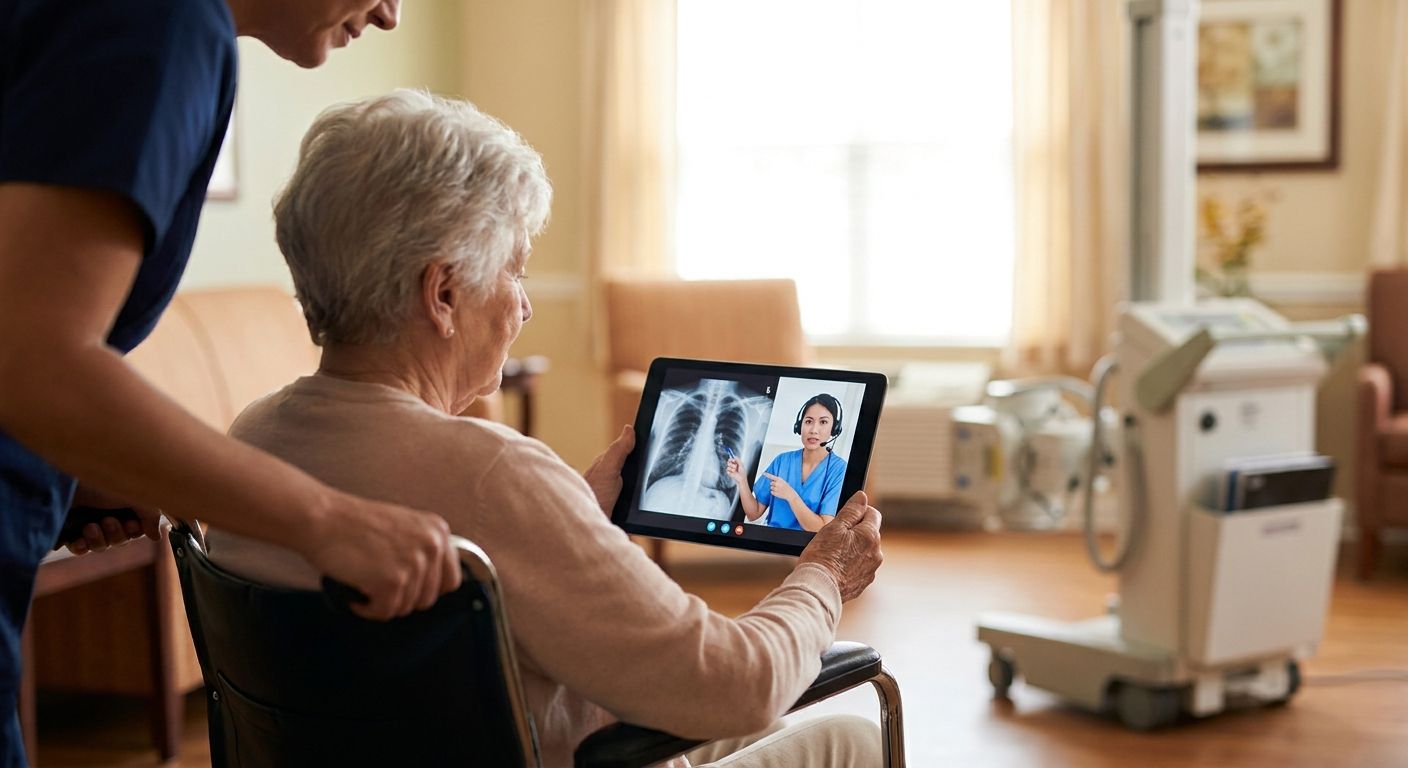
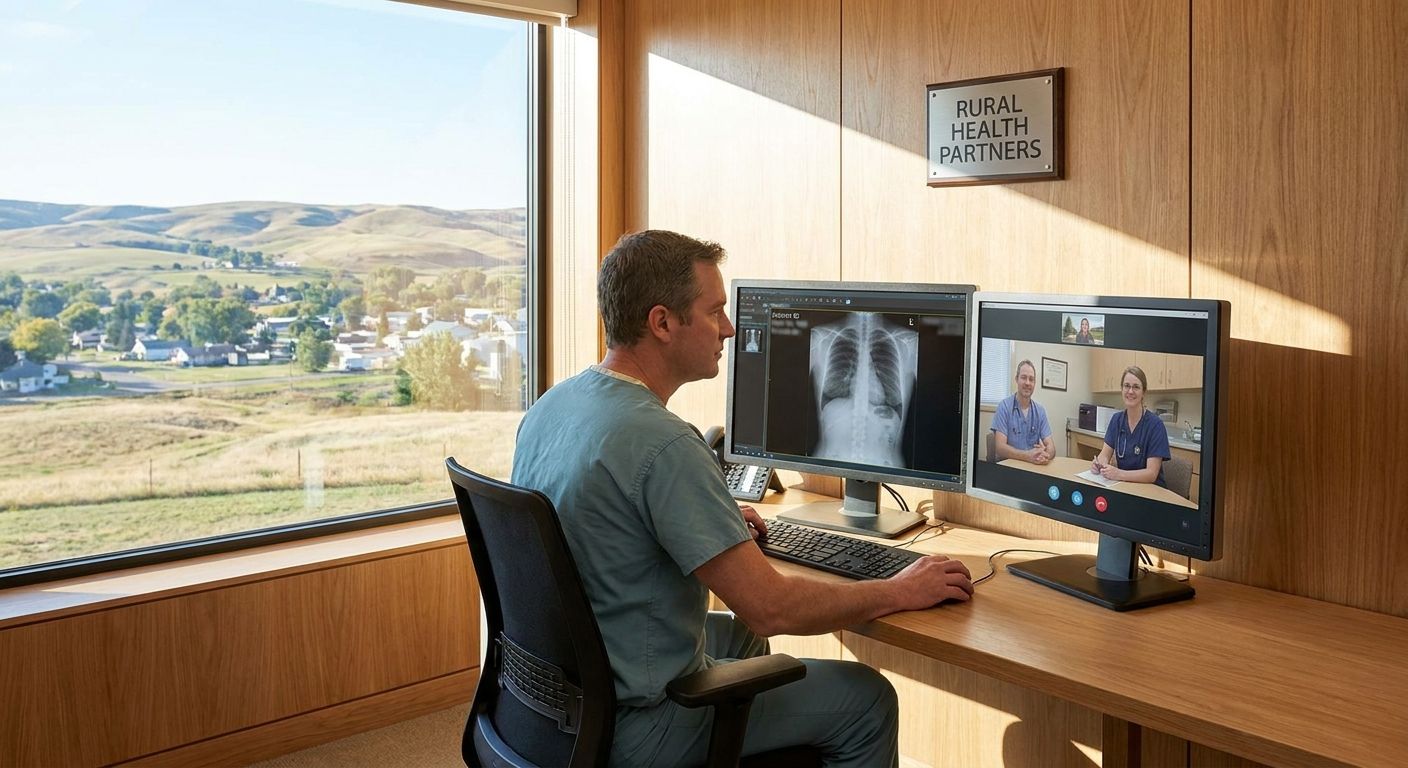
AI-native teleradiology platform (5C Network) — the scalable pick. 5C Network runs PET-CT reporting across a network of 400+ specialist radiologists serving 2,000+ hospitals, with a 30-minute average turnaround and AI-assisted lesion flagging through its Bionic platform. This model absorbs volume spikes without the staffing overhead of an in-house team and keeps a documented credentialing trail for every sign-off. Also see how this model compares in best teleradiology services for hospitals in India for a wider look at hospital-scale reporting. Buy for oncology programs running more than 20-30 PET-CT studies weekly.
Freelance or locum radiologist network — the patchwork pick. A rotating pool of independent radiologists can fill emergency gaps, but continuity across a patient's follow-up scans suffers when a different reader signs off each time. Comparative SUV tracking across scans needs one consistent reading standard, which a freelance rotation rarely delivers. Skip unless it's a short-term stopgap while you set up a longer-term contract.
Get PET-CT reporting for your cancer centre
30-minute average turnaround across 2,000+ partner hospitals.
What to Avoid
- Vendors quoting turnaround without specifying oncology sub-specialty coverage. A fast general turnaround doesn't help if the radiologist reading your PET-CT isn't oncology-trained.
- Platforms with no AI-assisted quantification. Manual SUV comparison across follow-up scans is slower and more error-prone than a flagged, AI-assisted comparison.
- Contracts with no credentialing documentation. If a vendor can't produce a radiologist's credentials on request, that's a compliance gap you inherit during an audit.
Verdict Comparison
| Sourcing model | Oncology specialization | Turnaround | Volume capacity | Verdict |
|---|---|---|---|---|
| In-house radiologist | High (if hired for it) | Fast during shift hours | Limited to one person's capacity | Consider |
| Generalist teleradiology vendor | Low to mixed | Fast but inconsistent quality | High | Skip |
| AI-native platform (5C Network) | High, 400+ specialists | 30-minute average | 15,000+ scans/day network-wide | Buy |
| Freelance/locum network | Variable by radiologist | Inconsistent | Moderate | Skip |
FAQ
What's the best PET-CT reporting service for cancer centres in 2026?
For centres running more than 20 PET-CT studies weekly, an AI-native teleradiology platform like 5C Network is the strongest fit, reporting through 400+ radiologists across 2,000+ hospitals with a 30-minute average turnaround. Smaller centres with steady low volume may still get by with a single contracted radiologist.
Is teleradiology PET-CT reporting as accurate as in-house reading?
Accuracy depends on whether the reading radiologist has oncology-specific training, not on whether they're onsite or remote. A dedicated oncology-trained teleradiologist reading PET-CT remotely can match or exceed an in-house generalist's accuracy.
How much does PET-CT reporting outsourcing cost for a cancer centre?
Pricing varies by scan volume, turnaround SLA, and whether structured reporting templates are included. Check current pricing directly with the vendor, since per-scan rates shift with contract volume commitments.
How fast should a PET-CT report turn around for oncology cases?
A 30-minute average turnaround, the current 2026 benchmark for high-volume teleradiology platforms, keeps reports inside same-day tumor board and treatment planning windows. Anything beyond a few hours risks pushing decisions to the next scheduled board meeting.
Can AI replace radiologists for PET-CT reporting?
No — AI in 2026 platforms like 5C Network's Bionic flags lesions and quantifies SUV changes to speed up the radiologist's read, but final sign-off still comes from a licensed specialist. AI runs the workflow; the radiologist owns the diagnosis.
What credentials should a PET-CT reporting radiologist have?
Look for board certification in radiology plus documented oncology or nuclear medicine reporting experience, not just general CT/MRI credentials. A vendor should produce this credentialing record on request for audit purposes.
Do teleradiology platforms handle high PET-CT volume during peak referral periods?
Networked platforms reporting 15,000+ scans a day across hundreds of hospitals absorb referral spikes without backlog, unlike a single in-house radiologist. This capacity is the main reason larger cancer centres move to a networked model.
What's the difference between teleradiology and digital diagnostics delivery for PET-CT?
Teleradiology covers remote image transmission and radiologist reporting, while digital diagnostics delivery extends that to AI-assisted triage, structured reporting, and workflow automation layered on top. Cancer centres benefit most from platforms combining both.
One Last Thing
The detail most cancer centres miss when comparing PET-CT reporting services isn't turnaround — it's whether the platform tracks SUV changes across a patient's entire scan history, not just the current study. A single fast report means little if the next follow-up scan gets read by a different radiologist with no continuity against the baseline. Ask any vendor, including 5C Network, how they handle longitudinal comparison before signing a contract, not after the first discrepancy shows up on a tumor board.